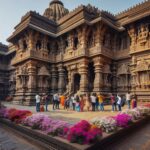
Gujarat’s architectural history spans a rich tapestry of styles, reflecting the region’s diverse cultural influences and historical periods.

Gujarat’s architectural history spans a rich tapestry of styles, reflecting the region’s diverse cultural influences and historical periods.
Haryana’s architecture reflects a rich cultural heritage shaped by various civilizations, from the Indus Valley and Vedic periods to the Mughal era and British colonial rule. The state showcases an array of structures, including temples, forts, palaces, and modern buildings, making it a source of inspiration for architects and historians alike.
Himachal Pradesh, nestled in the majestic Himalayas, boasts an architectural heritage that reflects its rich cultural tapestry and mountainous terrain. The region’s architecture is a blend of indigenous styles and influences from Tibetan, Buddhist, and Hindu traditions.
Jharkhand’s temples reflect a unique architectural journey, marked by geometric and organic stone carvings that enhance the state’s religious and aesthetic heritage.
Karnataka’s architectural history spans from the Neolithic period, around 2000 BCE, when it evolved from simple shelters to ritualistic and religious structures. Early Neolithic people built huts using wattle and daub, supported by stone and bamboo, as seen in archaeological sites like Brahmagiri. The early Iron Age introduced megalithic stone burials, laying the groundwork for lasting architectural styles.
Kerala’s architecture, predominantly seen in Kerala and parts of Karnataka’s Tulu Nadu stands out for its unique characteristics that distinguish it from other South Indian styles.
Madhya Pradesh, a state steeped in history, offers a fascinating blend of architectural styles that narrate its vibrant cultural past. The state’s structures reflect a confluence of artistic traditions, from majestic temples and ancient fortresses to intricately carved stupas and serene mosques.
In this blog, we explore Maharashtra’s distinctive architecture, examining the types of stone used, notable structures, and the vernacular designs that characterize this culturally vibrant state. Embark with us on a journey through time as we reveal the architectural treasures of Maharashtra.
From the ancient Kangla Palace, a symbol of the Meitei rulers, to the traditional temples and festival venues that reflect the spiritual and cultural practices of the region, Manipur’s architectural landscape provides an exemplary glimpse into its past. This article explores some of Manipur’s most notable architectural sites, each representing a unique aspect of the state’s heritage.
The article delves into the rich architectural traditions of Meghalaya, exploring the types of villages and buildings, settlement patterns, and major architectural landmarks that not only reflect the state’s cultural identity but also enhance its appeal as a tourist destination.